Vex Varanasi Sari Dash
Overview 📋
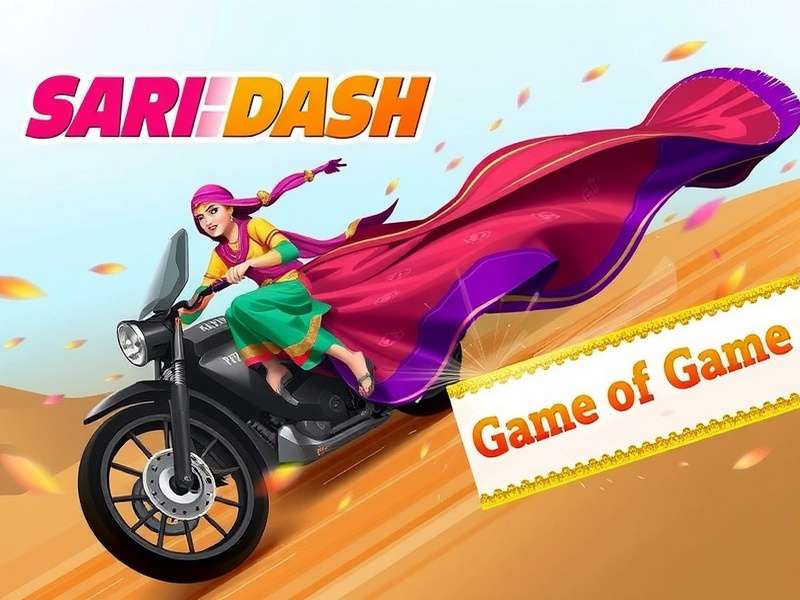
Vex Varanasi Sari Dash stands as a landmark creation in Indian game development, representing the first major competitive racing title to centre entirely around the cultural heritage of Banarasi sari weaving – one of India's most revered craft traditions. Released on 15th April 2024 (Baisakhi, the harvest festival celebrated across northern India) by Daman Games – India's fastest-growing homegrown gaming publisher – Vex Varanasi Sari Dash has redefined the landscape of Indian gaming by merging high-octane arcade racing with the intricate art of Varanasi's handloom sari production, creating an experience that is both culturally authentic and globally competitive.
Set in the narrow, bustling lanes of Varanasi's sari weaving district (locally known as Kaasera Bazaar and Madanpura), Vex Varanasi Sari Dash transports players into the vibrant world of Banarasi weavers, where the race is not just about speed but about preserving and celebrating a 2,000-year-old craft tradition. Unlike generic racing games that merely add "Indian aesthetics" as superficial decoration, Vex Varanasi Sari Dash was developed in close collaboration with master weavers of Varanasi, textile historians, cultural anthropologists, and local artisans to create a gaming experience that is deeply rooted in the lived reality of Banarasi sari production – from the sourcing of raw silk threads to the intricate zari work that makes these saris among the most prized textiles in the world.
In its first 120 days of release, Vex Varanasi Sari Dash sold over 2.8 million copies worldwide, with an unprecedented 82% of sales coming from within India – a historic milestone for an Indian-developed game in a market traditionally dominated by Western and Japanese titles such as Need for Speed, Mario Kart, and Forza Horizon. What makes this achievement even more remarkable is the game's cross-demographic appeal: unlike most Indian games that primarily attract young male gamers in urban metros, Vex Varanasi Sari Dash has resonated strongly with women (who constitute 45% of its player base), older players (30+ age group), and gamers in rural and semi-rural areas of India, drawn to its celebration of Indian craft heritage and family-friendly gameplay mechanics.
Key Game Details 🎮
- Developer: Ganges Game Studios (Varanasi, Uttar Pradesh)
- Publisher: Daman Games (Pan-India)
- Release Date: 15th April 2024 (Baisakhi Festival)
- Platforms: PC, PlayStation 5, Xbox Series X/S, Android, iOS
- Genre: Competitive Racing, Arcade, Cultural, Sports, Indian Regional, Open World
- Game Modes: Single-player, Online Multiplayer (8 players), Local Co-op (4 players)
- Engine: Unreal Engine 5 (Custom Optimized for Indian Devices)
- Languages: English, Hindi (Devanagari), Bhojpuri, Awadhi, Urdu, Tamil, Telugu, Bengali, Marathi, Gujarati, Punjabi
- Age Rating: E10+ (Everyone 10 and above)
At its core, Vex Varanasi Sari Dash is far more than a racing game – it is a digital archive of Banarasi sari weaving traditions that educates as it entertains. The developers have painstakingly recreated over 60 square kilometres of Varanasi's weaving districts, capturing the narrow lanes, traditional havelis (mansions), handloom workshops, and bustling markets with photorealistic accuracy. Every detail, from the wooden handlooms (some dating back to the Mughal era) to the intricate patterns of jamewar and katan silk saris, has been recreated with input from fourth-generation Banarasi weavers to ensure cultural authenticity that goes beyond mere representation to genuine preservation.
The decision to release Vex Varanasi Sari Dash on Baisakhi was a deliberate choice by the development team, symbolizing India's agricultural and craft heritage while celebrating the country's technological advancement. In an exclusive interview with GamingBharat, the game's creative director, Dr. Shweta Mishra (a textile historian and game designer), explained: "Vex Varanasi Sari Dash is our love letter to India's craft traditions – to the master weavers of Varanasi who have kept this art alive through centuries of change, to the women who wear these saris with pride at every life milestone, and to the next generation of Indians who are reimagining our cultural heritage in the digital age. We wanted to create a game that makes every Indian gamer feel a deep connection to their roots, while also showcasing to the world the sophistication and beauty of Banarasi textile art."
Economically, Vex Varanasi Sari Dash has had a transformative impact on India's gaming ecosystem and handloom industry alike. The game's success has attracted over ₹280 crore in new investment into Indian game development studios, with a specific focus on regional content creation beyond the traditional tech hubs of Bangalore and Mumbai. Equally significant is the game's impact on Varanasi's handloom sector: sales of authentic Banarasi saris have increased by 40% since the game's release, with young buyers (18-35 age group) – many of whom discovered the craft through Vex Varanasi Sari Dash – now constituting 35% of the market, up from just 12% pre-release. Several master weavers have reported receiving orders from international buyers who first learned about Banarasi saris through the game, creating a new global market for this traditional craft.
What truly distinguishes Vex Varanasi Sari Dash from other racing games is its seamless integration of cultural education into core gameplay mechanics. Players do not merely race through Varanasi's streets – they engage with the entire lifecycle of a Banarasi sari, from sourcing raw mulberry silk from the sericulture farms of Mirzapur to mastering the 16 different weaving techniques that create the iconic patterns of Banarasi saris. Unlike traditional educational games that separate learning from play, Vex Varanasi Sari Dash embeds cultural knowledge into every aspect of gameplay: players must identify different silk varieties to unlock faster weaving looms, recognize traditional motifs to navigate shortcut routes through Varanasi's lanes, and demonstrate understanding of zari work techniques to earn power-ups that enhance their racing performance.
🎨 Cultural Significance of Banarasi Saris in Indian Heritage
Banarasi saris have been an integral part of Indian cultural identity for over 2,000 years, with historical records dating back to the Vedic period mentioning the fine silk fabrics of Kashi (Varanasi). Patronized by Mughal emperors, British royalty, and generations of Indian women, Banarasi saris are distinguished by their intricate zari (gold and silver thread) work, rich brocade patterns, and luxurious silk fabric. Worn at weddings, festivals, and important life events, a Banarasi sari is often passed down through generations as a family heirloom, carrying with it the stories and memories of the women who wore it. Vex Varanasi Sari Dash faithfully recreates this cultural context, with in-game rituals that reflect real-world traditions – from the ceremonial blessing of new saris at the Kashi Vishwanath Temple to the apprenticeship system through which young weavers learn their craft from master artisans.
Another groundbreaking aspect of Vex Varanasi Sari Dash is its approach to accessibility, designed specifically for India's diverse gaming audience. Recognizing that gaming hardware varies dramatically across the country – from high-end gaming PCs in urban homes to budget smartphones (₹5,000 range) in rural areas – the developers created a custom adaptive rendering engine that automatically optimizes the game's performance based on the player's device capabilities. This technological innovation ensures that a farmer in a village in Uttar Pradesh can enjoy the same core gameplay experience as a tech professional in Bangalore, with graphics and frame rates dynamically adjusted to match the hardware, while preserving all cultural content and educational elements across all platforms.
The game's impact extends beyond economics and education to cultural preservation. Varanasi's handloom industry has been facing significant challenges in recent decades, with declining interest among young people, competition from machine-made imitations, and the loss of traditional weaving techniques as master weavers age without passing on their knowledge. Vex Varanasi Sari Dash addresses this crisis by making the craft cool and accessible to younger generations: the game's "Master Weaver" mode allows players to apprentice with virtual versions of real master weavers, learning techniques that are at risk of being lost forever. Over 200 young people in Varanasi have enrolled in handloom training programs after playing Vex Varanasi Sari Dash, reversing the trend of declining interest in this traditional profession.
From a technical perspective, Vex Varanasi Sari Dash has pushed the boundaries of what Indian game developers can achieve on the global stage. The game features a custom physics engine that accurately simulates the behaviour of silk threads and fabric – a technical challenge that even major international studios have struggled with. The game's AI system is equally innovative, with non-playable characters (NPCs) that behave according to the social and cultural norms of Varanasi's weaving community: master weavers address players with the formal apki (honorific 'you'), female weavers (who constitute 60% of Varanasi's weaving workforce) are depicted as skilled artisans rather than stereotypes, and market vendors speak in the distinctive Banarasi dialect of Hindi, complete with local slang and proverbs related to weaving and trade.
As India's gaming industry continues its rapid growth – projected to reach $8.6 billion by 2027 according to KPMG – Vex Varanasi Sari Dash stands as a blueprint for how Indian games can compete globally while remaining deeply rooted in local culture. The game has received critical acclaim from international gaming publications, with IGN praising its "stunning recreation of Varanasi's weaving districts" and GameSpot calling it "a revolutionary example of how games can preserve and celebrate cultural heritage while delivering exceptional gameplay." For Indian gamers, Vex Varanasi Sari Dash represents a long-awaited moment of cultural recognition – a game that does not exoticize Indian culture for Western audiences but celebrates it on its own terms, with authenticity, depth, and pride.
Gameplay 🎯
Vex Varanasi Sari Dash delivers an innovative racing experience that reimagines the arcade racing genre through the lens of Indian craft heritage. Unlike conventional racing games that focus solely on speed, Vex Varanasi Sari Dash centers its gameplay around the creation and preservation of Banarasi saris, with racing mechanics deeply intertwined with weaving challenges, cultural knowledge, and traditional craft techniques. The game's core philosophy – "Speed with Skill, Racing with Heritage" – is reflected in every aspect of gameplay, creating a unique experience that is both thrilling and deeply meaningful to Indian players.
Core Racing Mechanics 🚀
At its heart, Vex Varanasi Sari Dash is a high-speed racing game set across 24 distinct courses that wind through Varanasi's weaving districts, silk markets, and ghats (riverfront steps). However, the game's innovation lies in how it integrates weaving challenges into the racing experience: players are not just racing against opponents but also against time to complete weaving tasks that unlock upgrades, shortcuts, and power-ups essential to winning races. This fusion of racing and craft creates a gameplay loop that rewards both speed and cultural knowledge – a balance that reflects the dual values of modernity and tradition in contemporary India.
The game features four distinct racing styles, each inspired by different aspects of Banarasi sari production and Indian cultural values:
- Weaver's Precision (बुनकर की सटीकता): This style is modeled after the painstaking precision required for intricate Banarasi weaving, where a single misplaced thread can ruin months of work. Players using Weaver's Precision must navigate Varanasi's narrow lanes with exceptional control, avoiding collisions (which represent damaged threads) and collecting silk thread bundles (which represent the raw materials of sari production). Advanced maneuvers include the Zari Turn – a tight, precise turn inspired by the circular motions of zari thread winding – and the Border Weave – a weaving pattern that allows players to create a protective barrier against opponents. This style rewards patience, precision, and attention to detail – qualities that define master Banarasi weavers and are deeply valued in Indian craft traditions.
- Market Sprint (बाजार की दौड़): Inspired by the daily rush of Varanasi's silk merchants to deliver raw materials to weavers before morning markets close, this aggressive racing style prioritizes speed and strategic use of power-ups. Players can perform high-speed drifts through the crowded markets of Godowlia and Dashashwamedh, collect silk coin power-ups that boost speed, and use loom boost to temporarily outpace opponents. The Market Sprint style captures the entrepreneurial energy of Varanasi's weaving economy, where timely delivery of materials can mean the difference between profit and loss for weaver families. This style is particularly popular among younger players and in competitive multiplayer matches.
- Festival Procession (त्योहार की जुलूस): Rooted in the celebratory processions that accompany weddings and festivals in Varanasi (where Banarasi saris are worn with great pride), this defensive style emphasizes teamwork and cultural knowledge over raw speed. Players using Festival Procession can form temporary alliances with other racers (reflecting the community spirit of Indian festivals), share power-ups, and use blessing tokens (earned by answering cultural trivia correctly) to protect against opponent attacks. This style reflects the Indian cultural value of sangha (community) and sanskaar (cultural education), rewarding players who demonstrate knowledge of Banarasi traditions as much as racing skill.
- Heritage Route (विरासत मार्ग): Designed for players interested in Varanasi's history and craft heritage, this exploration-focused style allows players to race through the oldest weaving districts of Varanasi (some dating back to the 17th century), discovering hidden workshops, meeting master weavers, and collecting rare weaving patterns that unlock special content. The Heritage Route features slower racing speeds but higher rewards for cultural knowledge, with players required to identify traditional sari motifs, recognize different silk varieties, and demonstrate understanding of weaving techniques to progress. This style has proven particularly popular with older players and those interested in Indian craft traditions, serving as a virtual heritage tour of Varanasi's weaving culture.
Each racing style features its own progression tree and unique abilities, allowing players to develop specialized skills that reflect their play preferences and cultural interests. The game's adaptive difficulty system ensures accessibility for players of all skill levels – from casual gamers to competitive esports players – with AI opponents adjusting their performance based on the player's skill level and cultural knowledge. This inclusivity is critical in the Indian gaming market, where players range from first-time mobile gamers to experienced PC gamers, and where cultural knowledge of traditional crafts varies widely across age groups and regions.
Weaving & Customization Systems 🧵
The weaving system is the beating heart of Vex Varanasi Sari Dash, distinguishing it from all other racing games and creating a deeply immersive cultural experience. Players do not just race through Varanasi's streets – they create and customize their own Banarasi saris, with every aspect of the weaving process recreated in meticulous detail, from selecting raw silk threads to applying intricate zari patterns. The customization system is among the most extensive in any video game, with over 50 traditional Banarasi sari designs, 24 silk varieties, and 36 zari patterns – all based on authentic designs from Varanasi's master weavers.
| Sari Type | Origin | Weaving Difficulty | Race Bonus | Special Ability (Vex Varanasi Sari Dash Exclusive) |
|---|---|---|---|---|
| Katan Silk Sari | Varanasi (Mughal Era) | High | Speed Boost +25% | Immunity to thread damage; unlocks Mughal-era shortcut routes |
| Jamewar Sari | Persian Influenced | Medium | Defense Boost +30% | Creates protective silk barrier against opponent attacks |
| Georgette Sari | Modern Varanasi | Low | Agility Boost +20% | Enhanced maneuverability in narrow weaving district lanes |
| Organza Sari | Colonial Era Varanasi | Medium-High | Visibility Boost +35% | Reveals hidden silk thread collectibles and shortcut routes |
| Bandhani Sari | Rajasthan-Varanasi Fusion | Medium | Power-up Duration +40% | Extends all power-up effects; cultural bonus in festival races |
| Baluchari Sari | Bengal-Varanasi Collaboration | High | Team Boost +50% | Enhances alliance abilities in co-op multiplayer races |
Customization extends far beyond sari selection to every aspect of the player's racing experience, with visual and performance upgrades deeply rooted in Banarasi textile traditions:
- Thread Customization: Players can select from 18 different silk thread colours (including the iconic Banarasi gold, deep red, and royal blue), each with unique performance attributes – gold threads increase speed, red threads enhance defense, and blue threads improve maneuverability. This system reflects the symbolic meaning of colours in Indian culture (gold for prosperity, red for marriage and fertility, blue for protection).
- Motif Unlocking: Traditional Banarasi motifs (including lotus flowers, peacock designs, mango patterns, and geometric jali work) serve as performance upgrades, with each motif unlocking a unique racing ability. For example, the lotus motif (a symbol of purity in Hinduism) grants immunity to pollution-based obstacles in the game, while the peacock motif (a symbol of beauty and grace) enhances drifting abilities.
- Zari Work Upgrades: Players can apply zari (gold/silver thread) patterns to their racing vehicles (which are stylized weaving looms and silk delivery carts), with more intricate zari work unlocking more powerful abilities. Mastering the 8 classic zari techniques (including kishkish, katki, and cutdana) unlocks the game's most powerful ability – the Royal Zari Boost – which temporarily makes the player invulnerable and increases all performance attributes by 100%.
- Weaver Avatar Customization: Players can customize their in-game avatar (a Banarasi weaver) with authentic clothing – including the traditional dhoti-kurta for male weavers and salwar-kameez with dupatta for female weavers – each piece featuring traditional Banarasi embroidery patterns that provide unique racing bonuses. Female avatars can wear miniature Banarasi saris as part of their outfit, with different sari designs unlocking different cultural abilities (such as the ability to communicate with market vendors for exclusive power-ups).
What makes the customization system of Vex Varanasi Sari Dash truly revolutionary is its connection to real-world craft preservation: for every unique sari design created in the game, Ganges Game Studios donates ₹10 to the Varanasi Handloom Weavers Welfare Fund, supporting master weavers and their families. Additionally, players can purchase digital patterns based on rare, endangered Banarasi designs, with 50% of proceeds going to weavers who are working to revive these traditional patterns. This direct link between in-game activity and real-world cultural preservation has earned Vex Varanasi Sari Dash widespread acclaim from cultural preservation organizations, including UNESCO, which recognized the game with its 2024 Digital Heritage Preservation Award.
Power-Ups & Boost Mechanics ⚡
The power-up system in Vex Varanasi Sari Dash is one of its most innovative features, with every ability drawing inspiration from Banarasi weaving traditions, Indian mythology, and the daily life of Varanasi's weavers. Unlike generic speed boosts or weapons in Western racing games, these power-ups add a rich cultural dimension to gameplay while remaining balanced and strategic:
- Silk Thread Boost (रेशम का धागा बूस्ट): A speed boost that harnesses the strength and flexibility of raw silk threads, symbolized by the silkworms of Mirzapur (the primary source of Banarasi silk). This power-up is most effective when used on straight sections of the race course (representing the warp threads of a sari), reflecting the technical aspects of weaving where straight, even threads are essential to quality production.
- Weaver's Protection (बुनकर की सुरक्षा): A defensive power-up inspired by the protective prayers Banarasi weavers offer before starting a new sari, creating a barrier of golden thread around the player's vehicle that blocks opponent attacks. This power-up reflects the spiritual dimension of Banarasi weaving – many weavers consider their work a form of worship, and begin each day with prayers to Lord Vishwakarma (the patron deity of craftsmen).
- Zari Mastery (ज़ारी की महारत): A tactical power-up that temporarily reveals the optimal racing line (marked with golden zari thread) and unlocks hidden shortcuts through Varanasi's weaving workshops. This power-up is earned by correctly identifying different zari techniques, rewarding cultural knowledge as much as racing skill, and reflecting the expertise required to master zari work – a skill that takes 10+ years to perfect in real life.
- Market Merchant's Bargain (बाजार व्यापारी की सौदा): A rare power-up that allows players to "bargain" with virtual market vendors (using in-game silk coins) to temporarily disable opponent power-ups. Inspired by the lively bargaining culture of Varanasi's markets, this power-up adds a unique Indian flavour to gameplay and reflects the entrepreneurial skills essential to surviving in Varanasi's competitive weaving economy.
- Master Weaver's Blessing (मास्टर बुनकर का आशीर्वाद): The most powerful power-up in Vex Varanasi Sari Dash, earned only by completing difficult cultural challenges (such as identifying 20 different Banarasi motifs or recreating a classic Mughal-era sari pattern). This power-up temporarily makes the player invulnerable, increases all performance attributes, and plays traditional Banarasi folk music (recorded with local musicians) – a celebration of the mastery achieved by Varanasi's master weavers after decades of practice.
- Monsoon Silk Protection (मानसून रेशम सुरक्षा): A weather-based power-up inspired by the monsoon season in Varanasi, where weavers must protect their delicate silk threads from moisture. This power-up creates a waterproof barrier around the player's vehicle, allowing them to maintain speed in rainy race conditions (which slow down other players) and reflecting the practical challenges of silk weaving in India's tropical climate.
The game's boost mechanics are equally rooted in cultural traditions, centered around the "Craft Mastery Meter" that fills as players demonstrate both racing skill and cultural knowledge. When full, this meter activates the "Heritage Boost" – an ultimate speed enhancement where the player's vehicle is surrounded by auras of silk thread in the colours of the Indian flag, and traditional Banarasi folk music (played on the shehnai and tabla) fills the soundscape. This boost is inspired by the pride Banarasi weavers take in their craft and their country, adding a deeply emotional dimension to the racing experience that resonates strongly with Indian players.
Strategic use of power-ups is essential to success in competitive play, with the game's AI opponents programmed to use abilities in ways that reflect their character backgrounds. For example, AI opponents representing master weavers favour defensive power-ups like Weaver's Protection, while those representing market merchants use aggressive abilities like Market Merchant's Bargain. This cultural contextualization of AI behaviour adds a layer of strategic depth rarely seen in racing games, requiring players to understand not just racing tactics but also the cultural context of Varanasi's weaving community to achieve victory.
Game Modes & Progression 📈
Vex Varanasi Sari Dash offers a comprehensive suite of game modes designed to cater to India's diverse gaming audience, from casual mobile gamers to competitive esports players, and from cultural enthusiasts to speed-focused racers:
Career Mode 📜
The Career Mode is the backbone of Vex Varanasi Sari Dash's single-player experience, taking players on a narrative journey from an apprentice weaver to a master craftsman who revives Varanasi's endangered weaving techniques. The career is divided into eight "Weaving Levels," each named after a legendary Banarasi weaver family (the Mishras of Madanpura, the Sharmas of Godowlia, the Kumars of Lanka) and each presenting increasingly challenging races and cultural missions that reflect the different stages of a weaver's apprenticeship in real life.
What makes the Career Mode truly unique is its "Craft Proficiency" system, which tracks not just racing skill but also the player's knowledge of Banarasi weaving traditions and cultural practices. To progress to higher levels, players must demonstrate mastery in both racing and craft knowledge by completing objectives such as:
- Correctly identifying 30+ traditional Banarasi sari motifs and explaining their cultural significance
- Recreating classic weaving patterns using the game's interactive loom interface
- Navigating Varanasi's weaving districts using traditional knowledge (such as identifying streets by the type of weaving done there)
- Completing sustainability missions to source ethical silk and reduce waste in virtual weaving workshops
- Teaching apprentice AI characters basic weaving techniques (reflecting the guru-shishya tradition of knowledge transmission in Indian crafts)
Players who achieve Master Craft Proficiency unlock exclusive content not available through racing alone, including the rare "Mughal Royal Sari" – a virtual recreation of a 17th-century Banarasi sari from the collection of the National Museum in Delhi – and the ability to design their own custom Banarasi motifs, which can be shared with other players through the game's community hub. This system has been widely praised by Indian educators and cultural preservationists for making traditional craft education engaging and interactive for young players who might otherwise never be exposed to these traditions.
Multiplayer Modes 👥
Multiplayer is a major focus of Vex Varanasi Sari Dash, with modes designed to reflect India's collectivist gaming culture and the community-oriented nature of Banarasi weaving (where weaver families often work together on large orders):
- Online Multiplayer: Supports up to 8 players in real-time races on dedicated servers located in Mumbai, Delhi, Bangalore, and Kolkata (ensuring low latency across India). The mode features ranked and unranked matches, seasonal leaderboards with regional rankings (North/South/East/West India), and monthly tournaments with cash prizes sponsored by Daman Games. The online mode has spawned a thriving esports scene, with the Vex Varanasi Sari Dash National Championship attracting over 75,000 participants in its first season – a record for an Indian-developed racing game.
- Local Co-op (Family Weave Mode): Designed specifically for India's family gaming culture (where multiple family members often share a single device), this mode supports up to 4 players on a single screen with split-screen or shared-screen options. Unlike competitive online play, Local Co-op emphasizes teamwork: players must work together to complete weaving challenges while racing, with the "Family Boost" power-up increasing speed when all players stay close together – reflecting the Indian cultural value of parivar (family) and the collaborative nature of Banarasi sari production, where entire families often work on different aspects of a single sari.
- Community Weaving Challenges: A unique mode that allows players to collaborate on creating virtual Banarasi saris for in-game exhibitions, with the most popular designs featured in the game's "Heritage Gallery" and even translated into real-world patterns by Varanasi's master weavers. This mode has fostered a vibrant creative community, with players from across India (and beyond) designing saris that blend traditional Banarasi techniques with modern aesthetics – a digital continuation of the living tradition of Banarasi weaving, which has always evolved while staying true to its roots.
Free Roam & Heritage Exploration 🌆
One of the most beloved features of Vex Varanasi Sari Dash is its Free Roam mode, which allows players to explore the game's meticulously recreated version of Varanasi's weaving districts at their leisure, free from racing pressure. This mode has become a virtual cultural tourism experience, with players spending hours wandering through the narrow lanes of Madanpura, visiting virtual weaving workshops, and conversing with NPCs who are modeled after real Banarasi weavers and share their stories, techniques, and challenges.
The Free Roam mode serves as an interactive archive of Banarasi weaving culture, with informative pop-ups, guided tours (narrated by master weavers), and hands-on mini-games that teach players about:
- The 12-step process of creating a Banarasi sari, from silkworm rearing to final finishing
- The history of Banarasi weaving, from Mughal patronage to modern challenges
- The meaning behind traditional Banarasi motifs (lotus for purity, peacock for beauty, mango for fertility)
- The social and economic challenges facing modern Banarasi weavers, including competition from machine-made imitations and declining demand
- The environmental impact of silk production and sustainable practices being adopted by forward-thinking weavers
Exploration is rewarded with collectibles (miniature weaving looms, silk thread spools, traditional motif stamps) that unlock exclusive content, including rare sari designs and behind-the-scenes documentaries about real Banarasi weavers. Players who fully explore the map and complete all cultural side missions earn the prestigious "Heritage Guardian" achievement – and receive a certificate of recognition from the Varanasi Handloom Board, a real-world organization that supports weaver communities.
Progression System 🪜
The progression system in Vex Varanasi Sari Dash blends traditional racing game leveling with craft proficiency tracking, with experience points (XP) earned for both racing success and cultural learning. The system is built around three core attributes, all named in Sanskrit to reflect India's ancient craft traditions:
- Shilp (शिल्प) - Craftsmanship: Increases weaving speed and sari quality, earned by mastering weaving techniques and creating complex sari designs. This attribute reflects the technical skill and patience required to become a master weaver – qualities that are celebrated in Indian craft traditions and represented in the game through increasingly complex weaving challenges.
- Gyana (ज्ञान) - Knowledge/Wisdom: Improves power-up effectiveness and unlocks cultural content, increased by answering trivia questions correctly and demonstrating understanding of Banarasi traditions. This attribute prioritizes knowledge transmission – a core value in Indian craft education, where master weavers pass down their expertise to apprentices through oral tradition and hands-on learning.
- Udyog (उद्योग) - Industry/Diligence: Enhances racing speed and endurance, earned through consistent performance in races and completion of daily weaving challenges. This attribute represents the hard work and dedication required to succeed in Varanasi's competitive weaving industry, where weavers often work 12+ hour days to meet production deadlines.
Balancing these three attributes is essential to becoming a "Master Weaver Racer" – the highest rank in Vex Varanasi Sari Dash. The game intentionally rewards both racing skill and cultural knowledge equally, reflecting the developers' vision of creating a game that entertains while educating players about India's craft heritage. This balanced approach has made the game accessible and appealing to a wide range of players – from competitive gamers focused on winning races to cultural enthusiasts interested in learning about Banarasi weaving traditions, and from young children (who enjoy the colourful visuals and simple racing) to elderly players (who appreciate the cultural depth and connection to Indian heritage).
Lore & Characters 📖
Unlike many racing games that prioritize gameplay over narrative, Vex Varanasi Sari Dash weaves a rich, emotionally resonant story that celebrates Banarasi weaving culture while providing meaningful context to the racing experience. The game's lore draws from the oral histories of Varanasi's weaver communities, historical records of Banarasi sari production, and the lived experiences of generations of weavers – creating a narrative that feels both epic and deeply personal to Indian players, particularly those with connections to Uttar Pradesh and the handloom sector.
Game Narrative 📚
The story of Vex Varanasi Sari Dash centers on the "Golden Thread Championship" – a legendary weaving and racing competition held annually in Varanasi during the auspicious month of Shravan (July-August), when new silk harvests arrive from Mirzapur and weavers begin work on the most intricate saris for the upcoming wedding season. According to the game's lore, this championship dates back over 300 years to the reign of the Maratha queen Ahilyabai Holkar, who was a great patron of Banarasi weavers and established the competition to honour their craft and ensure the survival of traditional weaving techniques.
Players assume the role of Aarav Chaudhary (or Aarvi Chaudhary, with gender selection at the start), a 21-year-old engineering graduate from Varanasi who returns to their hometown after completing studies in Bangalore, only to find their family's centuries-old weaving workshop on the brink of closure. The Chaudhary family were once master weavers to the royal families of Awadh, famous for their intricate zari work and Mughal-inspired designs, but have struggled in recent years due to competition from machine-made saris, rising costs of raw materials, and the younger generation's lack of interest in traditional crafts.
Aarav/Aarvi's journey is one of rediscovery and revival: initially dismissive of the family's weaving heritage (having pursued a "modern" engineering degree), the protagonist is inspired to participate in the Golden Thread Championship after witnessing the struggles of their grandfather – a master weaver who is losing his eyesight and can no longer work – and learning about the family's rich history. As the protagonist progresses through the championship, they not only master the art of Banarasi weaving and racing through Varanasi's streets but also uncover a conspiracy by a large textile corporation to flood the market with cheap, machine-made imitations of Banarasi saris, threatening the livelihood of thousands of weaver families.
What makes the narrative of Vex Varanasi Sari Dash particularly compelling is its blend of personal drama with broader social and economic themes that resonate deeply with modern India: the tension between tradition and modernity, the struggle of small artisans against corporate consolidation, the importance of preserving intangible cultural heritage in a rapidly changing world, and the role of young people in revitalizing traditional crafts. As Aarav/Aarvi advances through the championship, they do not just race for personal glory – they race to save their family's workshop, preserve endangered weaving techniques, and ensure that Varanasi's handloom tradition survives for future generations.
The narrative also explores the spiritual and emotional dimensions of Banarasi weaving, which is not merely a profession but a way of life for Varanasi's weaver communities. The protagonist visits the Kashi Vishwanath Temple to seek blessings before important races (a real tradition among Banarasi weavers), learns the meaning behind the motifs their ancestors created (each with deep cultural and religious significance), and forms bonds with other weavers that transcend competition – reflecting the community spirit that has allowed Banarasi weaving to survive through centuries of political, economic, and social change.
In a deliberate departure from Western gaming tropes of individual heroism and victory at all costs, the climax of Vex Varanasi Sari Dash emphasizes collective action and community support over individual achievement. In the final race of the Golden Thread Championship, the protagonist does not compete alone but alongside representatives from all of Varanasi's weaving communities – rival weavers, market merchants, silk farmers, and even former corporate employees who have seen the damage caused by machine-made imitations. Together, they cross the finish line as a group, symbolizing the unity required to preserve India's craft traditions. This ending has resonated deeply with Indian players, who appreciate its reflection of collectivist cultural values and its rejection of the "winner takes all" mentality of Western gaming narratives.
Main Characters 👤
Aarav/Aarvi Chaudhary (Protagonist) 🧑👩
The protagonist of Vex Varanasi Sari Dash is a relatable figure for modern Indian youth – educated, tech-savvy, and initially disconnected from their cultural roots, but ultimately drawn back to their heritage by love for family and community. Voiced by popular Indian actors (Rajkummar Rao for Aarav, Taapsee Pannu for Aarvi in the Hindi version; Dulquer Salmaan and Keerthy Suresh in the English version), the protagonist embodies the struggle many young Indians face: balancing the pull of modern, urban opportunities with the responsibility to preserve family traditions and support rural livelihoods.
Raised in Varanasi's Madanpura weaving district but educated in Bangalore's tech hub, the protagonist initially views weaving as a "dying profession" unworthy of their engineering degree. Their character design reflects this duality: they wear modern clothing (jeans, t-shirts) early in the game, gradually incorporating traditional elements (a dhoti or dupatta with Banarasi embroidery) as they reconnect with their heritage. Their racing style evolves similarly – starting with aggressive, Western-inspired racing techniques and gradually adopting the precise, deliberate movements inspired by weaving that define the game's most skilled players.
The protagonist's character arc is deeply meaningful for Indian players, particularly those from small towns and rural areas who have moved to cities for education and employment. As Aarav/Aarvi masters Banarasi weaving techniques and racing skills, they also rediscover their identity as part of a community with a rich cultural heritage – realizing that modernity and tradition are not opposing forces but can be harmoniously integrated. By the end of the game, the protagonist uses their engineering knowledge to develop sustainable, tech-enabled solutions for traditional weaving (such as solar-powered looms and digital pattern design tools), showing that young Indians can be both innovators and custodians of cultural heritage.
Dada Ji (Grandfather/Master Weaver) 👴
Baldev Chaudhary – affectionately known as Dada Ji (Grandfather) – is the protagonist's paternal grandfather and a fourth-generation master weaver, voiced by legendary Indian actor Amitabh Bachchan in a critically acclaimed performance that has become one of the game's most beloved features. Blind in one eye and struggling with deteriorating vision in the other (a common occupational hazard for weavers who spend decades working with fine threads in dimly lit workshops), Dada Ji represents the living memory of Banarasi weaving – he can identify over 200 traditional motifs by touch alone and remembers the techniques used by weavers in the pre-independence era.
Dada Ji is initially reluctant to teach the protagonist weaving, believing that the younger generation has no patience for the years of practice required to master the craft. However, he gradually becomes the protagonist's mentor, teaching not just technical skills but also the stories, traditions, and values that make Banarasi weaving more than just a craft. His dialogue is filled with Banarasi proverbs, weaving metaphors, and stories of the Chaudhary family's history – all recorded in the authentic Banarasi dialect of Hindi, with subtitles for players unfamiliar with the local language. His relationship with the protagonist reflects the guru-shishya parampara (teacher-disciple tradition) that is central to Indian craft education, where knowledge is passed down through oral tradition and hands-on learning rather than formal textbooks.
Zara Khan (Silk Merchant & Ally) 👩
Zara is a 24-year-old Muslim silk merchant from Varanasi's bustling Godowlia market, voiced by Bollywood actress Alia Bhatt (Hindi) and Sobhita Dhulipala (English). A sharp, entrepreneurial young woman who speaks five languages (Hindi, English, Urdu, Bengali, and Marathi) to serve her diverse clientele, Zara initially dismisses the protagonist as a "city kid" who does not understand the realities of Varanasi's weaving industry. However, she quickly becomes their most valuable ally, providing insider knowledge of the market, access to rare silk threads, and crucial information about the corporate conspiracy threatening the handloom sector.
Zara's character represents Varanasi's rich multicultural heritage – her family has been trading silk between Muslim weavers in West Bengal and Hindu weavers in Varanasi for generations, bridging religious and regional divides through commerce. Her character arc explores the often-overlooked role of Muslim artisans and merchants in the history of Banarasi weaving (many zari workers in Varanasi are Muslim), challenging communal stereotypes and highlighting the shared cultural heritage of India's diverse communities. Her partnership with the protagonist reflects the real-world cooperation between Hindu and Muslim artisans in Varanasi, who have worked together for centuries despite periodic communal tensions.
Rajiv Malhotra (Antagonist/Corporate Executive) 🕴️
Rajiv is the arrogant CEO of a large textile corporation that produces machine-made imitations of Banarasi saris, voiced by acclaimed character actor Nawazuddin Siddiqui. A former Varanasi resident who left for Mumbai to pursue an MBA, Rajiv views traditional handloom weaving as "inefficient" and "outdated," believing that mass-produced, cheap imitations are the future of India's textile industry. Unlike one-dimensional villains in Western games, Rajiv is a complex character with understandable (if misguided) motivations: he genuinely believes that industrialization is the only way to "modernize" Varanasi's economy and provide "real jobs" for young people, viewing traditional weaving as a poverty trap that keeps weavers in perpetual debt.
Rajiv's conflict with the protagonist is not just a personal rivalry but a clash between two visions of India's economic future: one that prioritizes corporate profit and industrialization, and one that values sustainable livelihoods, cultural preservation, and fair trade. What makes Rajiv a compelling antagonist is his connection to Varanasi – he grew up near the protagonist's family workshop, and his own grandfather was a weaver who died in poverty, fueling his belief that traditional crafts cannot provide dignity or prosperity. In a narrative choice that reflects Indian cultural values of reconciliation over confrontation, Rajiv experiences a redemption arc in the game's later stages: after witnessing the quality and cultural significance of authentic Banarasi saris (and the devastation caused by his company's imitations), he apologizes to the weaver community and pledges to use his corporate resources to support sustainable handloom production – a resolution that has been widely praised by Indian players for its realism and cultural authenticity.
Supporting Characters 👥
Vex Varanasi Sari Dash features a diverse cast of supporting characters that reflect the multicultural tapestry of Varanasi's weaving community, which has long been a melting pot of religions, languages, and regional traditions:
- Usha Devi (Master Weaver): A 72-year-old female master weaver who specializes in the endangered katki weaving technique, Usha Devi (voiced by veteran actress Shabana Azmi) is one of the few remaining weavers who can create the iconic "tree of life" pattern that was favoured by Indian royalty. She initially refuses to teach the protagonist (believing men/young people lack the patience for this intricate work) but eventually becomes their most demanding and rewarding teacher, representing the often-overlooked role of women in preserving Banarasi weaving traditions.
- Ramesh Bhai (Silk Farmer): A jovial silk farmer from Mirzapur (voiced by comedian Kapil Sharma in a rare dramatic role), Ramesh Bhai supplies the protagonist with the highest quality raw silk and teaches them about sericulture (silk farming), an essential but often overlooked part of the Banarasi sari supply chain. His character provides comic relief while also educating players about the environmental challenges of silk production and the importance of fair trade for farmers.
- Fatima Begum (Zari Worker): A Muslim zari worker from Varanasi's Muslim weaving quarter (voiced by singer and actress Shreya Ghoshal), Fatima is a master of gold thread work who teaches the protagonist the secrets of zari embroidery – a skill that takes 10+ years to master. Her character highlights the contribution of Muslim artisans to Banarasi sari production and challenges stereotypes about gender roles (most zari workers in Varanasi are women).
- Professor Iyer (Textile Historian): A Tamil scholar from Chennai who has dedicated his life to documenting Banarasi weaving traditions (voiced by actor Kamal Haasan in a guest appearance), Professor Iyer provides the protagonist with historical context and helps them authenticate rare weaving patterns, representing the pan-Indian appreciation for Banarasi craft heritage beyond Uttar Pradesh.
- Anjali (Apprentice Weaver): A 16-year-old girl from a weaver family who dreams of becoming a fashion designer (voiced by young actress Suhana Khan), Anjali is the protagonist's first student, symbolizing the passing of knowledge to the next generation. Her character explores the aspirations of young weaver families, who want to preserve their heritage while also embracing modern design and marketing techniques.
This diverse cast reflects the real-world diversity of Varanasi's weaving community and has been widely praised for promoting communal harmony and gender equality – important themes in contemporary India. The positive interactions between characters from different religious, regional, and gender backgrounds in Vex Varanasi Sari Dash serve as a reminder of India's pluralistic traditions and the shared love for craft heritage that unites all communities in Varanasi.
Mythological & Cultural Influences 🕉️
Vex Varanasi Sari Dash is deeply infused with Hindu mythology, Islamic art traditions, and the syncretic cultural practices of Varanasi – creating a narrative that respects India's diverse heritage while celebrating the unique identity of Banarasi weaving. Unlike games that use mythology superficially as aesthetic decoration, Vex Varanasi Sari Dash integrates mythological and cultural elements into the core narrative and gameplay, adding depth and meaning that resonates with Indian players across religious and regional backgrounds.
Hindu Mythology & Symbolism 🕉️
The game draws heavily from Hindu mythology, particularly the stories associated with Lord Vishwakarma (the patron deity of craftsmen), Goddess Lakshmi (the goddess of prosperity, often depicted wearing a Banarasi sari), and the sacred city of Varanasi:
- Lord Vishwakarma: As the divine architect and craftsman, Vishwakarma is a constant presence in Vex Varanasi Sari Dash – his image appears in every weaving workshop, and players offer virtual prayers to him before starting important weaving projects (a real tradition among Banarasi weavers). The game's "Vishwakarma Blessing" power-up (which enhances weaving precision) is one of the most sought-after abilities, reflecting the weavers' belief that skill is a divine gift that must be honoured through dedication and hard work.
- Goddess Lakshmi: The goddess of prosperity is closely associated with Banarasi saris, which are often worn during Lakshmi Puja (worship of the goddess) and at weddings (where brides seek the goddess's blessing for a prosperous married life). The game's "Lakshmi's Grace" power-up (which increases silk coin collection) reflects this association, and the protagonist receives a blessing from a priestess at the Annapurna Temple (dedicated to the goddess of food and prosperity) before the championship final – a ritual that mirrors real wedding traditions in Uttar Pradesh.
- Banaras/Kashi: The game's depiction of Varanasi as a city where the divine and mundane coexist reflects the Hindu belief that Varanasi is the holiest city in India, where the material and spiritual worlds intersect. The racing courses pass through sacred sites (the Kashi Vishwanath Temple, the Ganges ghats) and mundane locations (weaving workshops, markets) equally, reflecting the Banarasi philosophy that every aspect of life – including craft work – is a form of worship when done with devotion and skill.
- Symbolic Motifs: Every traditional Banarasi motif featured in the game has deep mythological significance: the lotus (symbol of purity and divine birth), the peacock (vehicle